

Understanding Pay-As-You-Go Digital SIM Cards

Prepaid eSIM Plans Made Simple for Travelers
You can activate a prepaid eSIM in minutes without ever touching a physical plastic card. This digital SIM stores your mobile plan on a tiny chip inside your phone, letting you switch carriers or add data instantly. The biggest benefit is total flexibility—top up data packs on the go and avoid roaming fees by simply scanning a QR code before you travel.
Understanding Pay-As-You-Go Digital SIM Cards
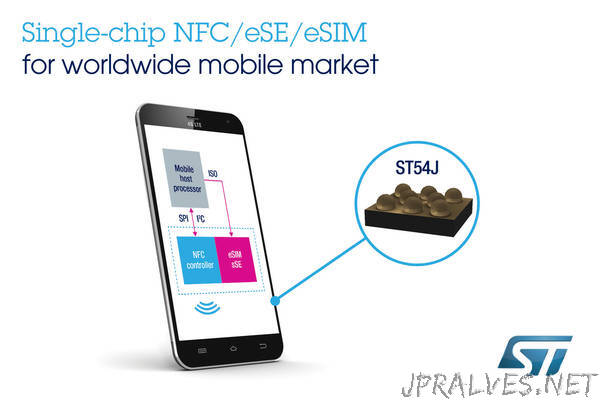
A pay-as-you-go digital SIM card, or prepaid eSIM, is a virtual SIM you top up before using it—no contracts, no credit checks. Think of it as a digital wallet for mobile data: you load a set amount, and your plan only runs when you actively use it, pausing when you run out of credit. This gives you ultimate control over spending. Q: How does a prepaid eSIM differ from a standard prepaid SIM? A: A prepaid eSIM is fully digital—you activate it by scanning a QR code, skipping the plastic card and store visit, while working exactly like a traditional prepaid plan in terms of pay-first usage. You can recharge instantly via an app, monitor consumption in real-time, and switch profiles without swapping physical chips, making it ideal for flexible travelers or budget-conscious users.
How Embedded SIM Technology Changes Mobile Budgeting
Embedded SIM technology fundamentally shifts mobile budgeting by eliminating the need for physical SIM cards and contracts. Users can now dynamically allocate funds across multiple prepaid eSIM profiles on a single device, switching between affordable local data plans instantly without swapping cards. This enables granular budget control: you can top up a specific travel eSIM for a weekend trip, then deactivate it to preserve credit. Physical SIMs often locked users into one carrier’s pricing; embedded SIMs allow real-time cost optimization by comparing plans from different providers within the device’s interface. The result is precise, flexible spending without unused credit or surprise fees.
Key Differences Between Physical SIMs and Virtual Profiles
The primary difference between a physical SIM and a virtual eSIM profile is form factor versus software. A physical SIM is a removable plastic chip you insert into a device, while a virtual profile is a digital file downloaded and stored on the device’s embedded chip. This key difference means a virtual profile cannot be lost or physically swapped; you manage switching providers or plans through a settings menu using a QR code or app. With a physical SIM, switching requires obtaining a new card and inserting it. For prepaid eSIM users, activating a virtual profile for instant setup is immediate, whereas physical SIMs require shipping or a store visit. An ordered list of this process difference is:

- Physical SIM: Obtain card → insert into tray → wait for network registration.
- Virtual Profile: Purchase plan → scan QR code → profile installs automatically.
Selecting the Ideal Travel Data Plan
Selecting the ideal travel data plan starts with matching the prepaid eSIM’s data bucket to your actual usage, not a carrier’s headline speed. Prioritize total GB over flashy “unlimited” offers, which often throttle after a small cap. Check whether the plan’s validity covers your entire trip without gaps, and confirm the destination is on the local network list—some prepaid eSIMs roam on weaker partners. A single regional plan usually beats buying separate country packs. For a quick sanity check,
look for plans that let you top up data only, without resetting the entire validity period.
This avoids paying for unused days if you extend your stay.
Factors to Consider: Coverage, Speed, and Validity
When selecting a prepaid eSIM, prioritize coverage maps for your specific destinations first, as a plan is worthless without signal. Speed is equally critical; check if the network caps at 4G or offers true 5G, and whether “unlimited” data throttles after a small cap. Validity must align with your trip length—shorter plans save money, while longer ones risk expiring mid-travel. Always verify that coverage includes rural or transit areas you plan to visit, and confirm speed is sufficient for mapping and streaming without frustrating buffering.
Coverage determines where you connect; speed defines how well you connect; validity ensures you’re connected for exactly when you need it.
Comparing Regional vs. Global Network Passes
When comparing regional versus global network passes for a prepaid eSIM, the primary distinction is geographical coverage versus cost efficiency. A regional pass pools data across a contiguous zone, like Europe or Asia, offering seamless roaming between neighboring countries without reconfiguration; this is optimal for a focused multi-country itinerary. A global pass spans multiple continents but often at a higher per-GB cost and may throttle speeds on secondary networks. For a specific trip, compare the pass’s exact territory list to your stops. Regional passes provide better value for concentrated travel.
Q: When should I choose a global pass over a regional one?
A: Choose a global pass if your trip visits two or more non-adjacent regions, such as the US, Japan, and Brazil, and you prefer one eSIM profile over juggling multiple regional passes.
Activating a Preloaded eSIM Before Departure
You’re packing the night before your flight, and the only thing left is to swap your phone’s network. With a prepaid eSIM, activating a preloaded eSIM before departure means scanning a QR code or tapping a link in the provider’s app while you’re still on Wi-Fi at home. I did this sitting on my living room floor, watching the activation status flick from “pending” to “active” in seconds. The eSIM profile installed immediately, but I kept my primary line running for two-factor codes. Once that was done, I tucked my physical SIM into a travel case. The moment I landed and turned off airplane mode, the prepaid data kicked in—no scrambling for airport Wi-Fi or hunting down a local shop. That pre-flight step saved me ten minutes of stress at baggage claim.
Step-by-Step Installation on iOS and Android Devices
To activate a prepaid eSIM before departure, begin on iOS by navigating to Settings > Cellular > Add Cellular Plan. Scan the QR code or manually enter the activation details provided by your carrier. For Android, go to Settings > Connections > SIM Card Manager > Add eSIM. Follow the same QR or manual entry process. Ensure your device is connected to Wi-Fi during installation to avoid data conflicts. After scanning, label the new plan (e.g., “Travel”) and set it as the data line if needed.
- Turn off your primary SIM’s data roaming.
- Activate the eSIM’s data roaming manually.
- Restart your device to finalize network registration.
Both platforms will confirm activation within minutes.
Common Activation Errors and Quick Fixes
Common activation errors for a preloaded eSIM often stem from weak Wi-Fi or incorrect QR scanning. Ensure a stable connection before scanning; if it fails, manually enter the activation code. A “No Service” error usually requires toggling Airplane Mode for 30 seconds. For “Invalid Profile,” delete the eSIM and re-scan the QR. Quick activation fixes include restarting your device. If errors persist, follow this sequence:
- Check that your phone is unlocked for eSIM.
- Select the correct data line in cellular settings.
- Force a network refresh by dialing *3001#12345#*.
Manual APN configuration resolves most remaining connectivity gaps.
Top Destinations Where Digital Roaming Shines
Prepaid eSIMs turn digital roaming into a seamless reality across Japan, South Korea, and the UAE, where instant activation bypasses physical SIM queues. In Tokyo and Seoul, you gain immediate access to hyper-fast networks for navigating dense transit systems with Google Maps or translating menus via camera. Dubai’s airport connectivity starts the moment you land, letting you book rides or check hotel apps without hunting for Wi-Fi. Across these destinations, prepaid eSIMs eliminate expensive carrier add-ons and physical swaps.
Digital roaming shines brightest where on-the-go activation and local-speed data are non-negotiable for daily logistics.
In Singapore and Thailand, coverage extends to remote islands and malls alike, offering a single, reliable connection that adjusts to your travels without changing SIMs.
Europe: Multi-Country Bundles and Schengen Zone Features
When exploring Europe with a prepaid eSIM, multi-country bundles with Schengen Zone features transform border crossings into seamless data handoffs. Instead of purchasing separate plans for each nation, a single eSIM activates across multiple Schengen countries—France, Germany, Italy, Spain, and more—as one unified network area. This means your data allowance doesn’t fragment at each border, and you avoid re-activating or swapping profiles mid-trip.
- Flat-rate data pool covers all Schengen states without per-country topping up.
- Automatic network switching happens the moment you cross a border—no manual setup required.
- One eSIM profile stores multiple country profiles, letting you pick specific bundles for non-Schengen stops like Switzerland or Croatia.
- Real-time usage dashboard tracks your total data across all active Schengen zones.
Asia-Pacific: High-Speed Options for Japan, South Korea, and Thailand
For travelers in the Asia-Pacific, prepaid eSIMs unlock high-speed data roaming tailored to each country’s infrastructure. In Japan, users rely on major providers like Docomo or SoftBank for consistent LTE/5G across urban centers and rural rail routes. South Korea’s dense network, led by SK Telecom, delivers near-seamless connectivity in Seoul and Busan, ideal for navigation and streaming. Thailand offers competitive speeds via AIS or TrueMove, with strong coverage in Bangkok and tourist islands like Phuket. Selecting a plan that matches these specific network strengths ensures lag-free video calls and map usage, avoiding throttling common in lower-tier options.
Japan, South Korea, and Thailand each require targeted eSIM data profiles to leverage their distinct high-speed networks, ensuring uninterrupted roaming for navigation, communication, and streaming.
Managing Multiple Data Profiles on a Single Handset
Managing multiple data profiles on a single handset with prepaid eSIMs means you can store several travel or backup data plans on one phone without swapping physical cards. Prioritize a “default data line” in settings for your primary prepaid eSIM, then activate a secondary profile only when that primary exhausts its allowance or you need a specific local network. Why might a profile not connect after switching? Often the handset’s radio needs a soft reset: toggle Airplane Mode for 15 seconds, then re-select the active prepaid eSIM from your stored list. This avoids manual re-downloads and preserves remaining data on unused profiles.
Switching Between Primary and Travel Lines
Switching between primary and travel lines on a prepaid eSIM is typically managed through your device’s settings menu. You assign your home number for voice and SMS, while the travel eSIM is set as the default for mobile data. Most handsets allow you to toggle this data default instantly, ensuring the travel line handles internet access abroad without disrupting your primary number. Some devices permit enabling both lines simultaneously, but only one can provide cellular data at a time. This setup is crucial for separating work and travel connectivity without removing your home SIM.
Switching between primary and travel lines involves configuring which eSIM supplies data and which handles calls, letting users maintain their home number while roaming on a prepaid travel plan.
Monitoring Usage and Topping Up Without Hassle
With a prepaid eSIM, keeping an eye on your data is a breeze. Most provider apps show your remaining balance in real-time, so you’ll never be caught off guard. When you’re running low, topping up is just a few taps away with no physical card required. This makes monitoring usage and topping up without hassle simple, even when switching between profiles. You can instantly add data to the specific plan you need, avoiding any service drop or complex steps. It’s perfect for staying connected quickly.
Cost-Effective Alternatives to Traditional Roaming
Prepaid eSIMs undercut traditional roaming by letting you purchase a local data plan before departure, bypassing your carrier’s daily fees entirely. Instead of paying $10–$20 per day for international roaming, you can secure a regional prepaid eSIM for as low as $4–$8 for a week of unlimited or high-capacity data. This eliminates surprise bills and the need to hunt for physical SIM cards abroad.
You retain your primary number for calls and texts while the eSIM handles data, slashing connectivity costs by up to 90% compared to standard roaming packages.
For frequent travelers, stacking short-term prepaid eSIMs for each destination is more economical than any traditional postpaid roaming add-on, giving you fixed, predictable pricing without long-term commitments.
Comparing Preloaded Rates with Carrier Daily Passes
When comparing preloaded rates with carrier daily passes for a prepaid eSIM, the core difference lies in pricing structure and usage flexibility. Preloaded rates offer a fixed amount of data for a set fee, eliminating surprise overage charges, whereas carrier daily passes typically charge a flat rate per 24-hour period regardless of consumption. For light data users, a preloaded eSIM often proves more economical, as a single 1GB plan may last several days. Conversely, heavy users might find daily passes more straightforward if they exceed the preloaded cap quickly, avoiding the need to purchase a new top-up. This distinction is critical when evaluating prepaid eSIM cost savings against the convenience of unlimited daily access.
Hidden Fees to Watch For in No-Contract Plans
When evaluating prepaid eSIM no-contract plans, scrutinize the fine print for hidden top-up expiration fees. These plans often impose a “service fee” or “reactivation charge” if your data balance sits idle for 30 to 90 days. Additionally, some providers deduct a daily “maintenance” cost from your account, draining credit even when you haven’t used data. Always confirm whether a refundable “deposit” is actually refunded—or quietly converted into a non-transferable credit. Below are key pitfalls:
- Inactivity fees that trigger an automated monthly deduction after a period of non-use
- Unavoidable “connection” or “attribution” fees per data top-up
- Non-disclosed minimum balance requirements that block simple top-ups
- Currency conversion markups applied during payment, not listed in the plan price
Extending Connectivity for Long-Term Travelers
For long-term travelers, extending connectivity with a prepaid eSIM hinges on selecting a provider that explicitly permits prolonged data validity and flexible top-up options rather than forcing a new purchase. Singapore eSIM Avoid plans that auto-expire after a fixed short period; instead, look for eSIMs where your remaining data rolls over with each top-up. Strategic layering—using one eSIM for primary data while keeping a secondary provider for backup in dead zones—prevents costly emergency roaming from your home carrier. Always download the eSIM profile before departing, and test local network compatibility during your first week to ensure stable speed for navigation and remote work.
Monthly Renewal Options Versus Pay-Per-Gig Models
For long-term travelers using prepaid eSIMs, monthly renewal options offer predictable data quotas that reset on a fixed date, suiting consistent usage patterns. Pay-per-gig models provide top-ups that never expire, making them ideal for variable consumption. Monthly plans often include local voice minutes, while pay-per-gig focuses solely on data. A key consideration is that monthly renewals require active management to avoid charges, whereas pay-per-gig relies on manual replenishment. Cost-per-gigabyte typically decreases with monthly subscriptions, but pay-per-gig prevents waste during light usage. Rollover data policies differ; monthly plans rarely include them, but pay-per-gig inherently retains unused credit.
Monthly renewal plans suit steady users needing flat-rate data, while pay-per-gig models benefit sporadic travelers wanting unbounded validity.
Using Loyalty Programs to Reduce Data Costs
For long-term travelers using a prepaid eSIM, leveraging loyalty programs directly cuts data costs. Many eSIM providers reward frequent top-ups with points that redeem for free data bundles or plan discounts. You can also link your prepaid eSIM account to partner airline or hotel programs, where data purchases earn transferable points. These points then offset future connectivity expenses. Focus on plans that offer points per gigabyte used, and always redeem before your travel window ends. This tactic turns recurring data spending into a self-sustaining cycle of reduced out-of-pocket costs, making continuous connectivity more affordable without changing your provider.
Securing Sensitive Data on Shared Networks
Under the flickering neon of a Seoul subway car, Sarah logged into her bank via her prepaid eSIM. The shared network was a sieve, but her eSIM’s secure data isolation meant her traffic bypassed the public Wi-Fi entirely. She ran a VPN kill switch that automatically severed the connection if the encryption dropped, rendering her financial credentials invisible to packet sniffers. Later, at a café hotspot, her eSIM provisioned a secondary virtual number, preventing her primary ID from being linked to the network’s logs. The PIN-protected eSIM profile itself was hardened against cloning, ensuring that even if her phone was stolen, the carrier’s remote wipe could erase the embedded credentials before anyone exploited the shared network’s lax segmentation.
VPN Integration with Digital SIM Profiles
A prepaid eSIM user can integrate a VPN tunnel with a digital SIM profile to encrypt all traffic leaving the device before it reaches the shared network’s gateway. This integration forces the eSIM’s data bearer to route through a VPN server, masking the user’s IP and rendering the local network’s traffic inspection useless. For setup, launch the VPN client and configure it to initiate only after the eSIM profile is active. Binding the VPN to the specific APN of the prepaid eSIM prevents accidental split-tunneling onto other interfaces. Users must verify the VPN kill switch works correctly with the eSIM’s virtual modem to maintain encryption during handovers between network towers.
- Activate the prepaid eSIM profile and confirm data connectivity.
- Open the VPN app, select manual DNS, and then assign the eSIM’s APN as the exclusive data source.
- Enable “Auto-start VPN on eSIM connection” and test leak protection via a dedicated app.
What Happens When Prepaid Credits Expire
When prepaid credits expire on your eSIM, the immediate impact is loss of network connectivity, rendering your data plan dormant. To protect sensitive data, the eSIM profile itself remains intact, but you can no longer access the carrier’s network for encryption or secure tunneling. This means any active VPN or encrypted connection is severed. Expired eSIM data security relies on your local device safeguards. Before expiration, follow this sequence:
- Transfer all critical files to an encrypted local folder.
- Disable automatic backups that require mobile data.
- Switch to a trusted Wi-Fi hotspot with a VPN to resume secure data handling.
